

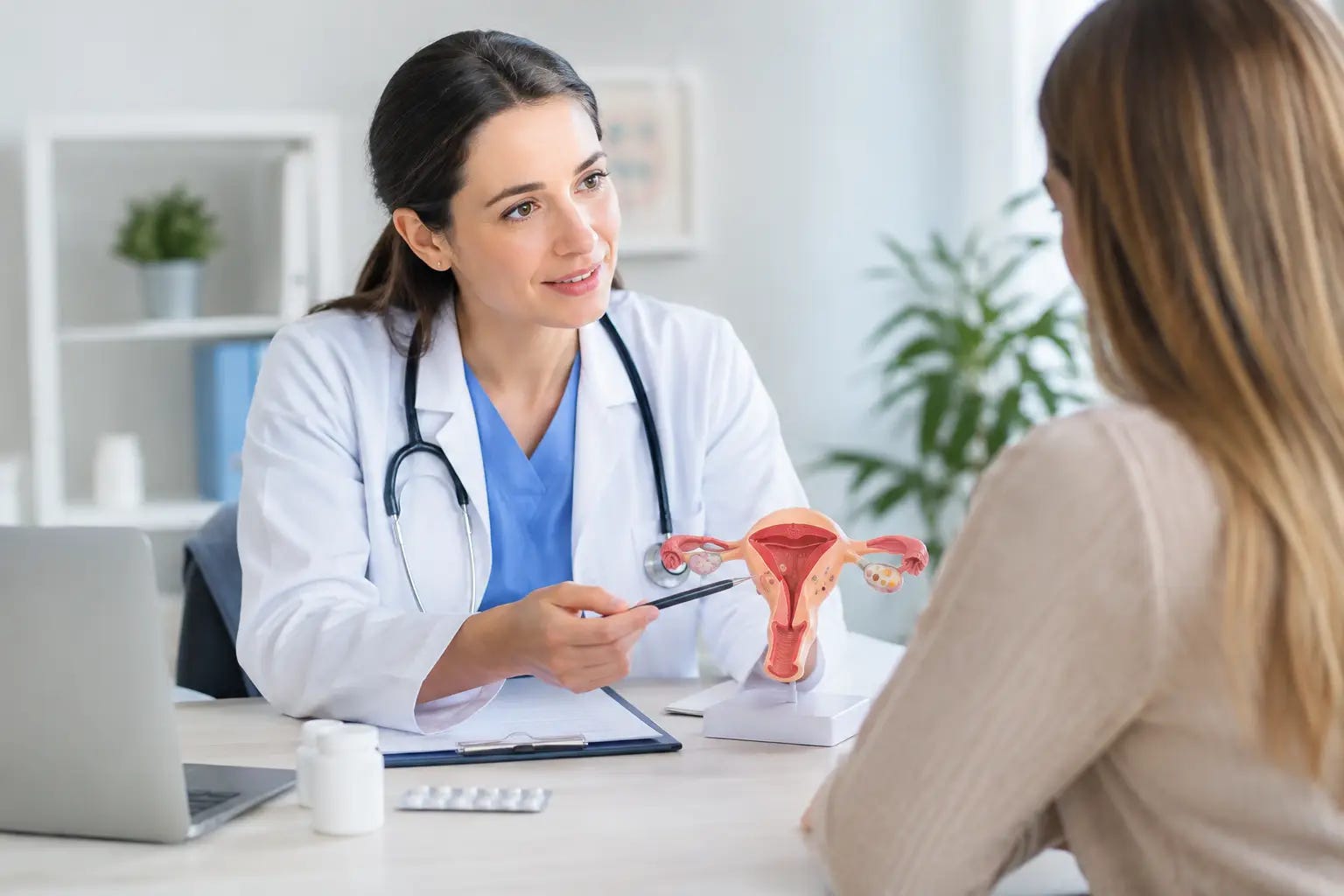
When your cycle is unpredictable, trying to conceive can feel like waiting for a message your body will not send. A PCOS fertility treatment example can be helpful not because every woman needs the same plan, but because it shows what truly personalized care can look like: listening for the signals beneath irregular ovulation, then gently supporting the whole body.
Polycystic ovary syndrome, or PCOS, is one of the most common reasons women struggle with ovulation. Yet your diagnosis is not your destiny. With compassionate, evidence-informed support, many women can improve cycle awareness, metabolic health, emotional well-being, and the conditions that support conception - whether they are trying naturally or working alongside a reproductive endocrinologist.
A PCOS Fertility Treatment Example in Real Life
Imagine a woman in her early 30s who has been trying to conceive for more than a year. Her cycles arrive anywhere from 35 to 75 days apart. She has acne, cravings, afternoon energy crashes, and the discouraging experience of repeated negative pregnancy tests. Her labs suggest insulin resistance, and she has been told she likely has PCOS.
A conventional fertility evaluation may include checking ovulation, thyroid function, prolactin, blood sugar markers, semen health, and whether the fallopian tubes are open. Depending on her circumstances, her physician may discuss ovulation-induction medication such as letrozole, which is commonly used for PCOS. That medical care can be deeply valuable. A holistic plan does not replace appropriate diagnosis or treatment. It helps create a healthier foundation around it.
In my practice, I would begin by asking questions that reveal the full picture: What does she eat before noon? How well does she sleep? Has she recently stopped birth control? Does she have constipation, pelvic pain, anxiety, or a history of miscarriage? Is her partner’s sperm health being assessed, too? Fertility is never just a calendar problem.
I understand the longing behind these questions because I, too, struggled with infertility before becoming a mother. For more than 30 years, I have helped women and couples move from confusion and isolation toward greater clarity, nourishment, and hope. There is no one-size-fits-all protocol. There is, however, a wise body asking to be understood.
Step One: Create a Clear, Caring Foundation
The first goal is not to force a perfect 28-day cycle. It is to understand what may be disrupting ovulation and begin restoring steadier rhythms. PCOS can look very different from one woman to another. Some women have higher androgens, while others have normal lab values but irregular ovulation. Some are dealing primarily with insulin resistance; others are under-eating, over-exercising, or carrying a heavy burden of chronic stress.
A functional medicine perspective may look at blood sugar regulation, nutrient status, inflammation, thyroid patterns, digestion, sleep, and environmental exposures. This is where individualized care matters. For example, someone with elevated A1C and intense sugar cravings may benefit from a different nutrition strategy than someone whose cycles disappeared after restrictive dieting.
Tracking your cycle can offer useful information without turning your life into a science experiment. Notice cervical fluid, bleeding patterns, basal body temperature if it feels supportive, sleep, stress, digestion, and energy. Bring these observations to your care team. They can help distinguish between a long follicular phase, delayed ovulation, or cycles where ovulation may not be happening consistently.
Step Two: Nourish Blood Sugar and Hormone Balance
For many women with PCOS, stabilizing blood sugar is a meaningful place to begin. This is not about punishing food rules, shrinking your body, or earning your fertility through perfection. It is about providing your brain, ovaries, and metabolism with steady nourishment.
In our example, the woman begins eating a protein-rich breakfast within a couple of hours of waking. Instead of coffee alone and a pastry later, she might choose eggs with vegetables and avocado, Greek yogurt with berries and seeds, or a savory breakfast bowl with beans and greens. At meals, she builds a simple plate with protein, fiber-rich carbohydrates, colorful vegetables, and satisfying fats.
She does not need to eliminate every carbohydrate. In fact, overly restrictive eating can create more stress and make a fertility journey feel harder. The goal is to pair carbohydrates with protein, fat, and fiber so energy feels more stable. Consistent meals, hydration, and thoughtful snacks can reduce the cycle of crashing, craving, and overeating that leaves many women feeling disconnected from their bodies.
Targeted supplements or herbs may be appropriate, but they should be selected carefully. Inositol, vitamin D, omega-3 fats, and certain herbal formulas are sometimes considered in PCOS support. The right approach depends on your medications, lab findings, medical history, and whether you are preparing for ovulation induction or IVF. Please do not combine herbs or supplements casually, especially once pregnant or when using fertility medications.
Step Three: Support the Nervous System, Not Just the Ovaries
Stress did not cause your PCOS, and you do not need to become perfectly calm to get pregnant. Still, the nervous system and reproductive system communicate constantly. When life feels like an endless cycle of appointments, tracking, disappointment, and research, the body may need more signals of safety.
For this woman, the plan might include a 20-minute walk after meals several days a week, gentle strength training, and yoga or acupressure practices that feel grounding rather than demanding. Movement can support insulin sensitivity, circulation, mood, and sleep. But more is not always better. If intense exercise leaves you depleted, ravenous, or unable to sleep, a gentler approach may serve you better right now.
She also chooses one daily ritual of care: a few quiet breaths before meals, a warm bath, time outdoors, journaling, prayer, or placing a hand over her heart when fear rises. These small moments are not frivolous. They are reminders that you are more than a diagnosis and more than the outcome of any single cycle.
Step Four: Use Acupuncture and Herbal Medicine Thoughtfully
Acupuncture is often part of an integrative PCOS fertility plan because it may support relaxation, pelvic circulation, stress regulation, and cycle awareness. Traditional Chinese Medicine also looks for patterns that may involve blood stagnation, dampness, deficiency, or constrained flow. These terms describe an individualized pattern of imbalance, not a replacement for medical testing.
In this example, regular acupuncture visits are paired with nutrition coaching, lifestyle medicine, and an herbal formula selected for her particular presentation. Over time, she may notice improved sleep, less bloating, calmer moods, and more recognizable signs of ovulation. These shifts do not guarantee pregnancy, but they can be meaningful signs that her body is receiving support.
If she is taking letrozole, preparing for IUI, or pursuing IVF, the timing and choice of herbs must be coordinated carefully. Integrative care works best when it respects both the wisdom of nature and the realities of modern reproductive medicine.
Step Five: Include the Partner and the Emotional Journey
PCOS is often discussed as though the woman’s body is the entire fertility equation. It is not. Sperm health, timing, relationship stress, and shared lifestyle patterns all matter. A partner can join in nourishing meals, reduce alcohol and nicotine exposure, prioritize sleep, seek semen testing when indicated, and make room for honest conversations about the emotional weight of trying to conceive.
Compassion belongs in treatment, too. There may be grief for the easy pregnancy you imagined, resentment toward your own body, or exhaustion from seeing pregnancy announcements everywhere. None of these feelings make you less grateful or less hopeful. They make you human.
What Might Change First?
In a well-supported PCOS plan, the first changes are not always a positive pregnancy test. Sometimes they are fewer energy crashes, clearer cervical fluid, more regular bowel movements, less painful periods, better sleep, or an ovulation pattern that becomes easier to recognize. These clues matter. They tell us where the body may be responding and where the plan needs adjustment.
The deeper question is this: if your body has been protecting itself through irregular cycles, what does it need to feel nourished enough to find its rhythm again?
If you are my patient, we have probably already gone over this. Many of my fertility success stories are of patients who were suffering from PCOS. If you are my patient and know others suffering PLEASE SHARE this ARTICLE.
For possible new patients, if you are local to Silicon Valley, in-clinic care is available in San Jose. Wherever you are, you can also explore individual guidance, the Boosting Fertility Naturally™ program, Free Fertility Tips Walk & Talks, and a free 15-minute Q&A when available. Begin with the Free Fertility Handbook for compassionate next steps and a clearer path forward.
I help women get pregnant, stay pregnant and have healthy babies.
Fertility is Natural, Trust Nature
Dr. Shasta Ericson DAOM
Holistic Fertility Specialist
Great article! This is going to help so many women to conceive!